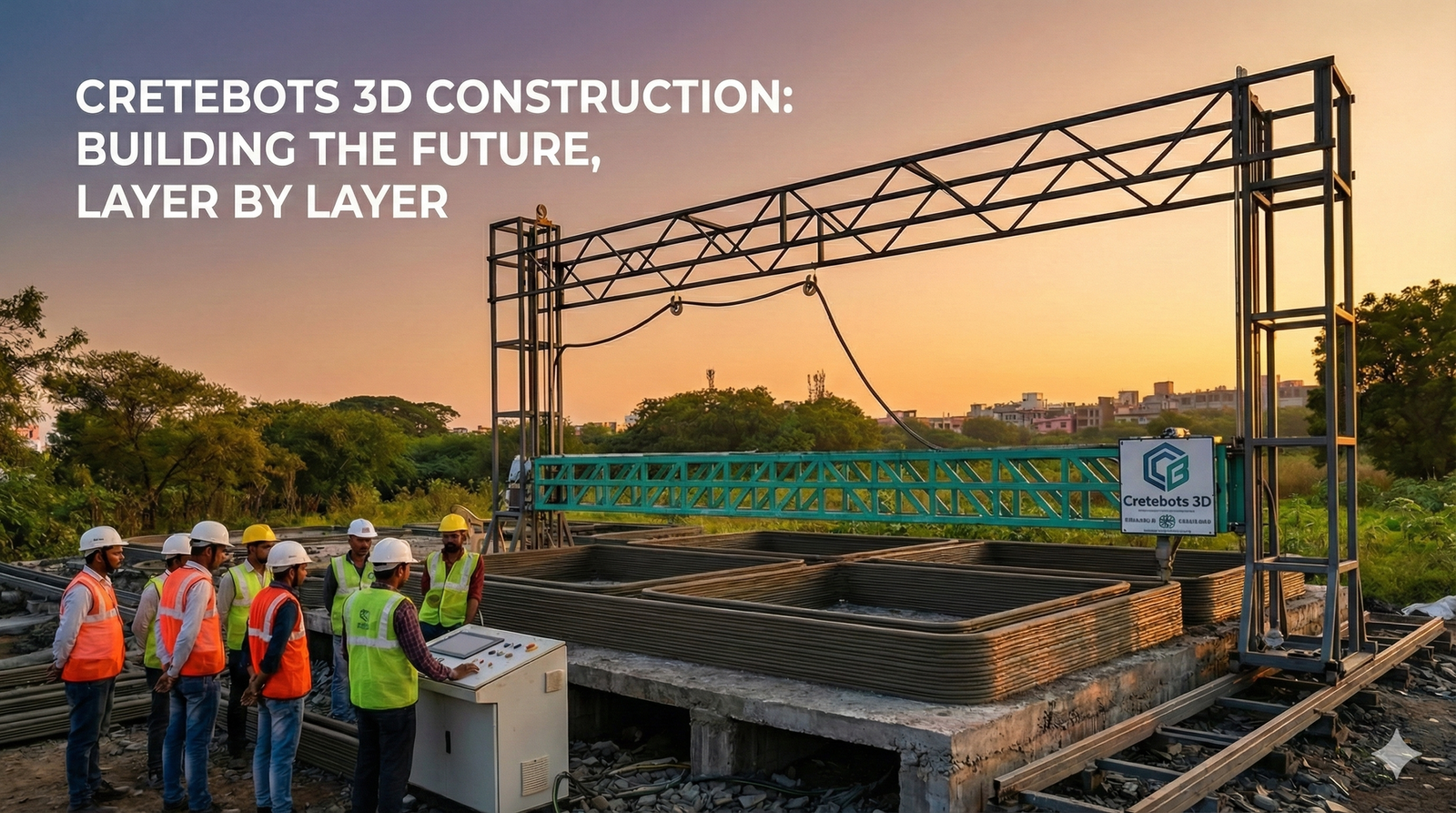
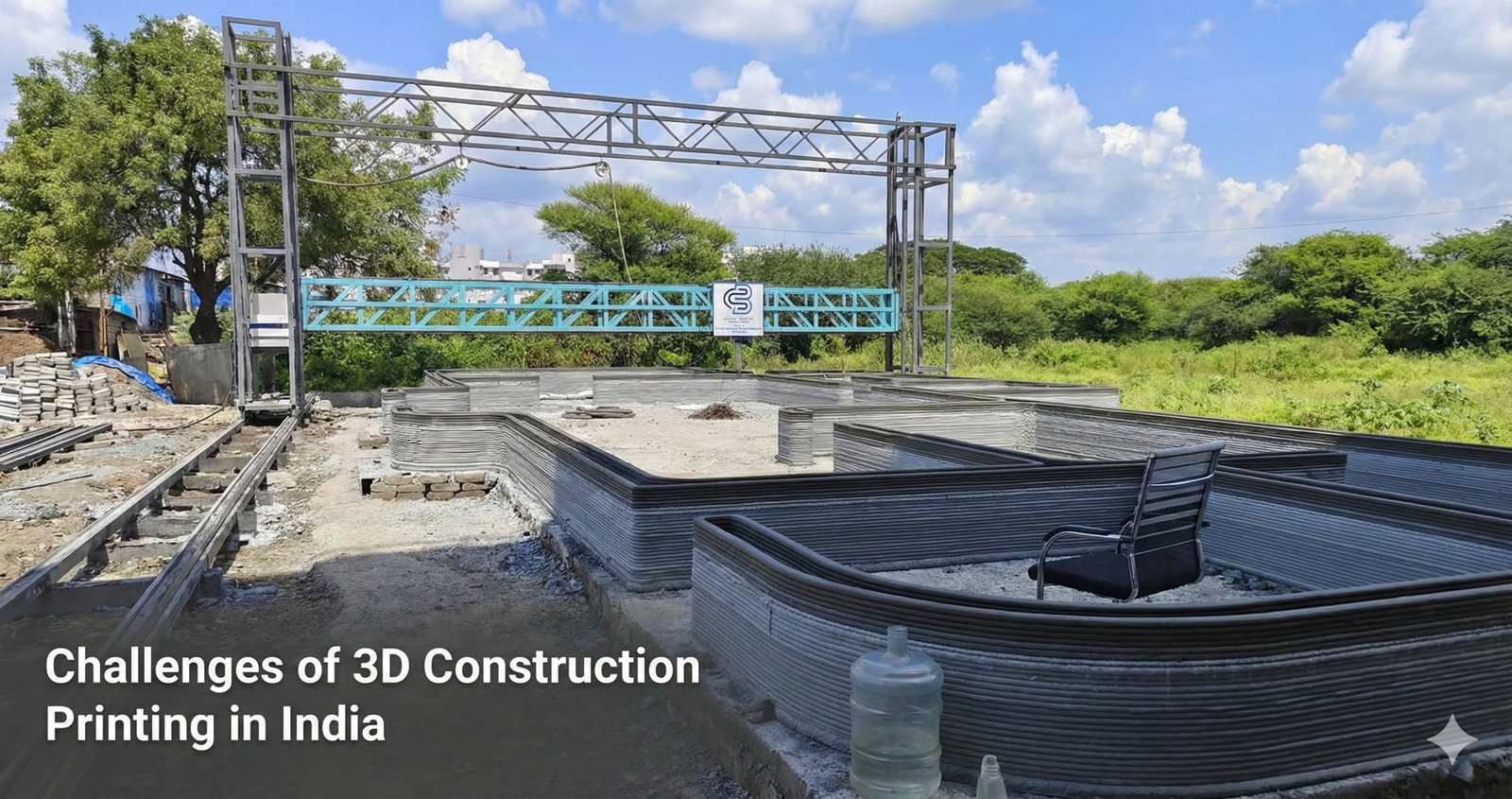
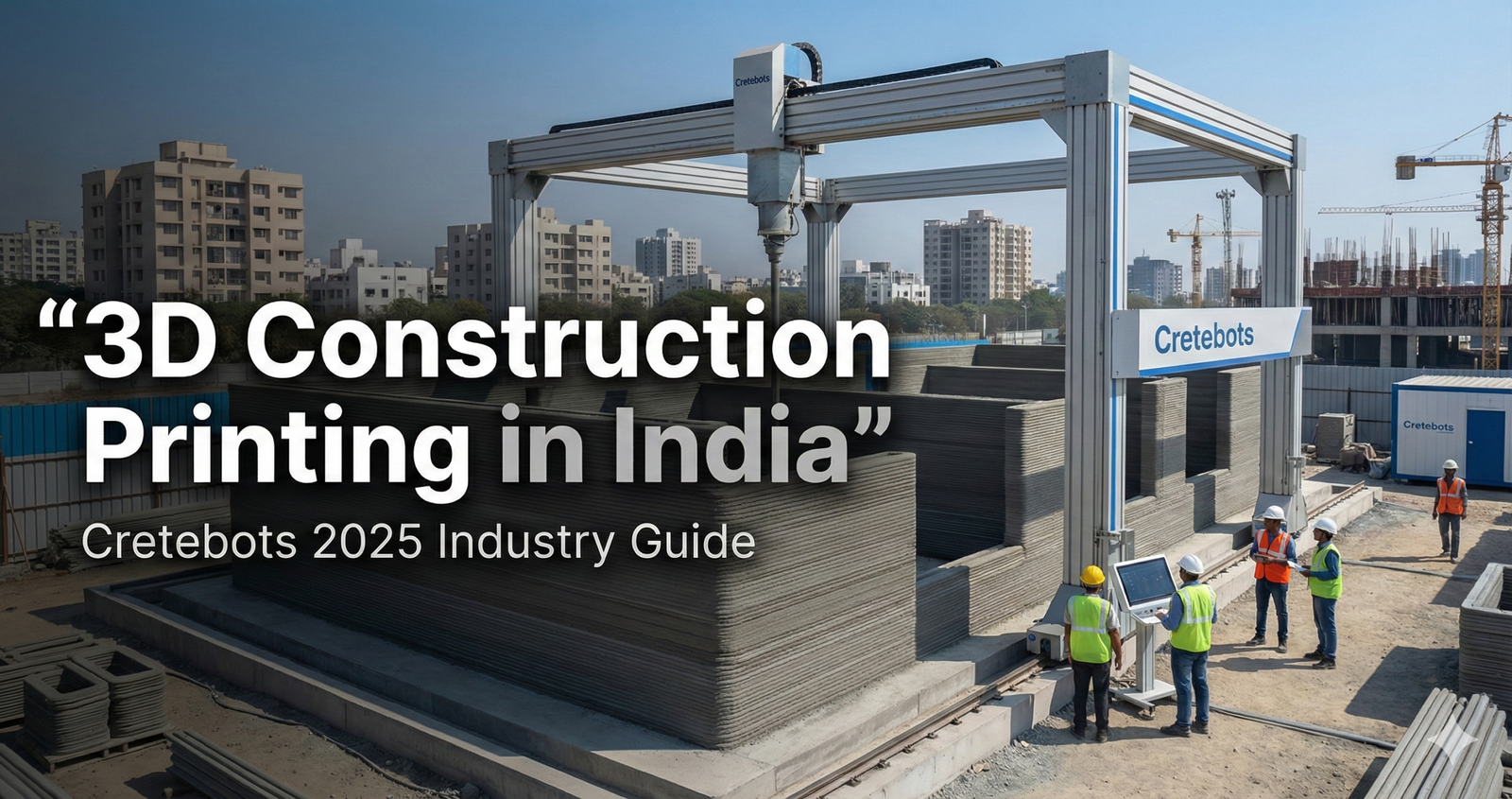
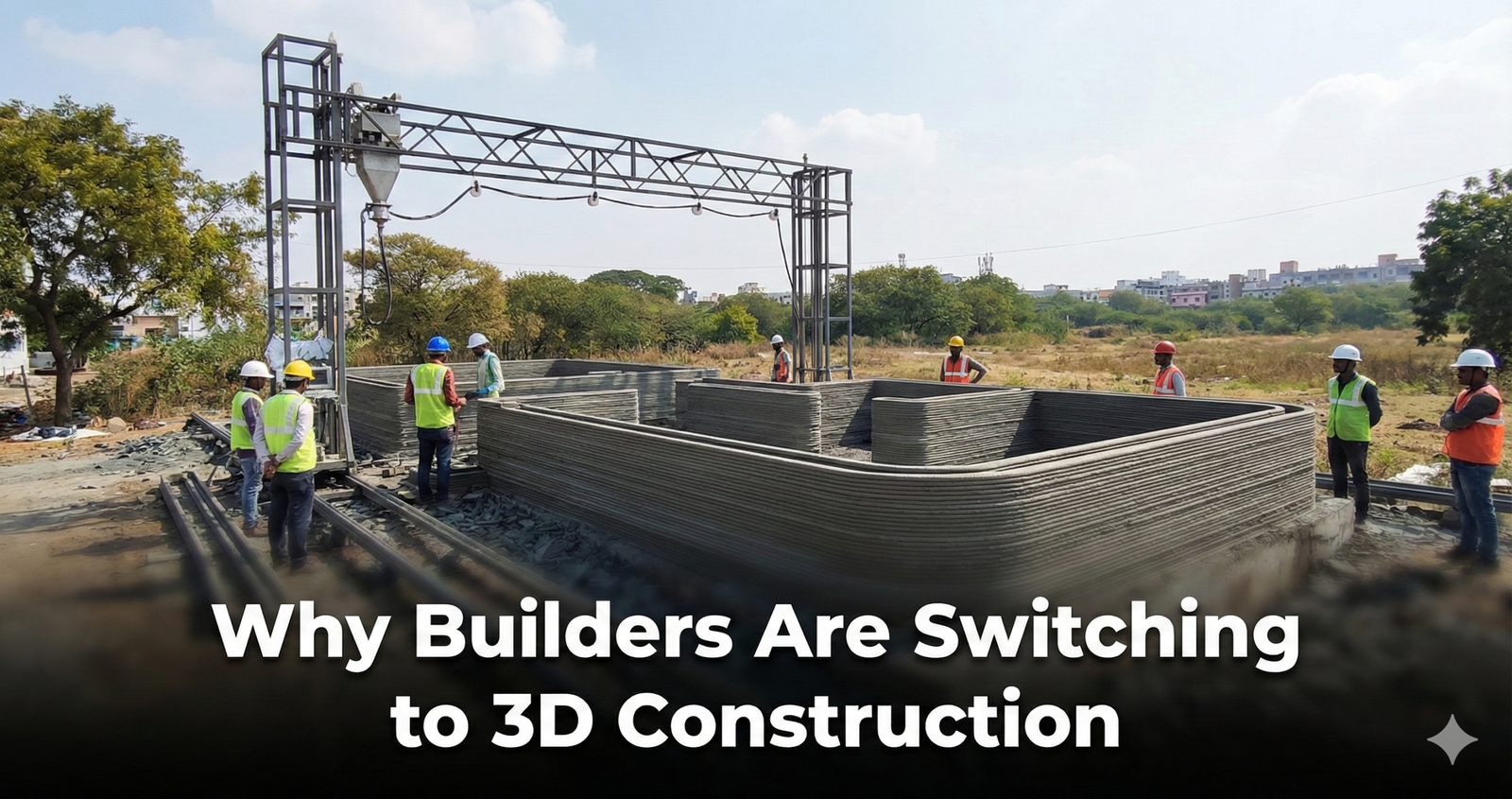
A new and exciting project has started in India, using advanced 3D printing technology to build a whole village that lives in harmony with nature. This project is all about making communities in a new way that cares for the environment and keeps everything balanced.
This effort shows a new way to live on Earth with care. It mixes technology and the desire to protect the environment, showing us a future where communities can live well without harming their surroundings.
In this place, every house shows how useful and effective 3D printing is. It can make designs that would be hard to do with old methods. Choosing materials that are biodegradable shows this project really cares about being green, starting a new chapter where building is about helping the planet, too.
The quick construction of these homes shows a way to solve the problem of not having enough houses faster. This lets people live closer to nature without waiting a long time for their houses to be ready. This project is more than just showing off what technology can do; it’s a light of hope for green living. It shows how technology can help both people and the earth.
The environmental impact of India’s 3D printed sustainable village sets a benchmark in eco-friendly construction, significantly reducing the carbon footprint associated with traditional building methods. By integrating advanced 3D printing technologies, the project not only minimizes waste but also champions biodiversity preservation efforts, ensuring a harmonious balance with nature.
This innovative approach underscores the potential for sustainable development to coexist with environmental conservation, paving the way for future green initiatives.
India’s 3D printed sustainable village project is not just about reducing carbon emissions; it also focuses on protecting plants and animals. This effort is a big step towards keeping our environment safe. The project plans to build villages in a way that does not harm the local biodiversity.
By choosing materials and building methods carefully, the project aims to create a balance between modern living and protecting nature. This initiative shows that using new technology and caring for the environment can work together. It gives hope for a future where people and nature live together in a sustainable, healthy way.
Exploring the cost and efficiency benefits of India’s 3D printed sustainable village reveals a compelling narrative of innovation. The integration of this technology significantly reduces construction time, lowers material costs, and enhances energy efficiency, setting a new benchmark for sustainable development. These advantages not only underscore the economic viability of 3D printing in construction but also mark a step forward in achieving environmental sustainability.
Using 3D printing in building houses cuts down the time needed and saves a lot of money on materials. This new method lets us use exactly the right amount of material, so there’s almost no waste, making it much cheaper than the old way of building houses.
With this technology, making affordable homes in India’s sustainable villages is becoming a reality for more people. Being able to use materials from nearby makes it even more cost-effective because it lowers the cost of moving materials and helps the local economy. This way of building houses is not only good for saving money but also supports sustainable development, making sure that everyone can have a good home in the future.
Using 3D printing technology to build sustainable villages helps save energy and money, and it has good effects on how things work. 3D printing makes building things much more efficient, which means less waste and better use of materials. This way of building not only saves money but also makes houses that save more energy.
3D printing allows for the use of materials that keep heat well and designs that help control the inside temperature without needing a lot of heating or cooling. So, people living in these houses pay less for energy and help reduce harm to the environment. This shows a future where people don’t have to spend too much money or hurt the planet.
Using 3D printing technology to build a sustainable village came with big challenges and smart solutions. One big problem was making sure the 3D printing materials could handle India’s tough weather. The team made a special kind of concrete that was strong and used local, sustainable materials to lessen harm to the environment.
Finding people who knew how to work with 3D printing was another issue. To fix this, the project set up a training program for local workers. This helped them learn new skills and helped the project by adding more skilled workers. It also helped the local community by creating jobs.
Another challenge was mixing old-style building designs with new 3D printing technology. The team worked with local architects and people to make sure the new buildings fit well with the local culture and were practical. This mix of old and new shows the project’s goal to be sustainable and keep the local culture alive.
In this new 3D printed sustainable village, the way people live together and keep their culture alive is very special. The design of places where everyone can meet and do things together makes everyone feel like they are part of a big family. These meeting spots mix old traditions with new technology, creating a place where people can gather and share their lives.
People living in the village have the freedom to make their homes look the way they want, as long as they keep things green and efficient thanks to 3D printing. This freedom makes people love their homes more and improves how happy they are.
The village also focuses on being kind to the environment. It uses clean energy, saves water, and manages trash in smart ways. Living this way teaches and encourages everyone to take care of our planet. This village shows the world that it’s possible to live in a way that’s good for the earth, keeps cultural traditions alive, and allows personal freedom.
India’s new 3D printed sustainable village is a big step forward for communities around the world. It shows that we can use new technology to live in a way that’s good for the environment and keeps our traditions alive. This village is important because it can help solve problems like not having enough houses, harming the environment, and losing cultural traditions. By using 3D printing technology, India is showing how we can make communities that are strong, don’t hurt the planet, and respect our way of life.
This idea is something other countries can use to think differently about building cities. It shows that using materials that don’t harm the earth, saving energy, and creating less waste are key to fighting climate change. It also shows that new technology can make housing more fair, making sure everyone has a chance to live well.
As cities grow quickly and we have to be careful about our planet, India’s village points to a new way of making cities that are good to live in, good for the planet, and full of culture. It proves that using technology the right way can lead to a better future where we take care of our planet and keep our traditions, offering a guide for a better world faced with environmental challenges.
India’s project to build its first village using only 3D printing technology is a big step forward in solving problems related to homes and the environment. This project uses new 3D printing methods not just to save money and time, but also to help the environment.
Though there were many obstacles, the methods used in this project show how to live in a sustainable way, making it a model for others around the world interested in sustainable living and building. This effort shows how technology can help create lasting solutions to the world’s housing problems.